


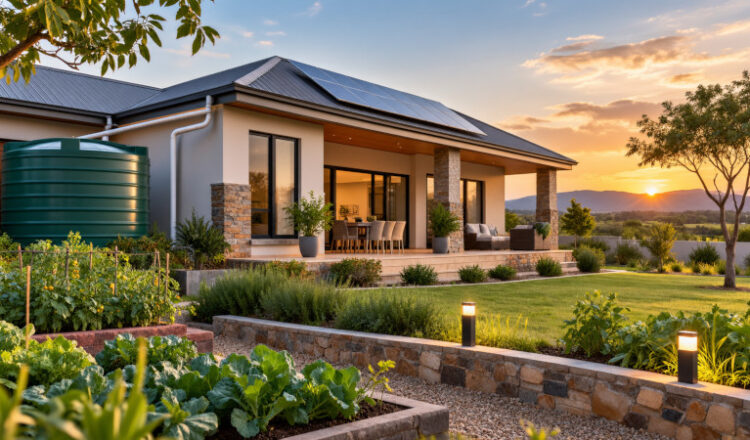
Building for Tomorrow: What Sustainable Construction Should Look Like in Zimbabwe
Construction is transforming Zimbabwe. New homes, housing developments, commercial buildings and infrastructure projects are appearing across the country as families invest in property and communities expand. But as we build, an important question needs to be asked:
Are we simply constructing more buildings, or are we building responsibly for the future?
Sustainable construction is sometimes misunderstood as meaning expensive technology, complicated environmental certification or ultra-modern buildings covered with solar panels. In reality, sustainability begins with much simpler decisions.
It means constructing buildings that use resources responsibly, minimise unnecessary waste, consume less energy and water, protect the surrounding environment and remain functional and durable for many years. For contractors, architects, developers and homeowners in Zimbabwe, sustainable construction should increasingly become part of normal building practice.
Zimbabwe’s own climate policy recognises the importance of improving energy efficiency in buildings and encourages measures such as passive building design, renewable energy and sustainable building materials. UN-Habitat has also been working on initiatives aimed at improving energy and resource efficiency within Zimbabwe’s built environment.
So what should a responsible contractor actually do?
1. Build Right the First Time
Perhaps the most overlooked principle of sustainable construction is simply, “Do not waste resources correcting avoidable mistakes.” Poor workmanship is environmentally costly. If a wall has to be demolished because it was incorrectly positioned, the project loses:
- bricks;
- cement;
- sand;
- labour;
- water;
- transport costs; and
- construction time.
The replacement work then consumes those resources again. The same applies to poorly installed plumbing, leaking roofs, uneven floors, badly positioned electrical conduits and defective finishes.
A responsible contractor should work from approved drawings, carefully check dimensions, properly supervise artisans and verify each important stage before proceeding to the next. Quality construction is therefore not separate from sustainability. Building correctly the first time is sustainable construction.
2. Plan Before Materials Arrive on Site
Poor planning causes enormous waste on construction projects. Ordering excessive quantities of materials can result in damage, theft and unused stock. Ordering too little may require multiple deliveries, increasing transportation costs and fuel consumption. Responsible contractors should therefore develop realistic material schedules and coordinate procurement with the construction programme.
Materials should arrive when they are required and should be stored correctly. Cement should be protected from moisture. Timber should be stacked appropriately. Bricks should be delivered and handled in a manner that minimises breakages. Tiles, plumbing fittings and other finishes should be safely stored.
Sustainability starts long before something enters the building. It begins with how materials are purchased, transported, handled and used.
3. Reduce, Reuse and Recycle Construction Waste
Walk past many construction sites and you may see piles containing broken bricks, timber offcuts, packaging, plastic, damaged blocks and leftover building materials. Some waste is unavoidable. A large amount, however, can be prevented.
Zimbabwe’s Environmental Management framework promotes the reuse and recycling of waste where possible, while the National Climate Policy identifies waste reduction, reuse and recycling as priorities.
Responsible contractors should therefore develop a simple waste-management culture on every project. Instead of throwing everything into one pile, materials can be separated. Usable brick pieces may have applications elsewhere in the project. Timber offcuts can sometimes be reused for temporary works. Packaging and scrap metal may be recyclable. Excavated material may sometimes be suitable for approved filling or landscaping applications.
Most importantly, contractors should avoid ordering and wasting materials unnecessarily in the first place. The most sustainable waste is the waste that was never created.
4. Source Building Materials Responsibly
Where construction materials come from matters. Gravel, quarry stones, timber and other natural resources should come from legitimate and responsible sources. For example, Zimbabwe’s Environmental Management Agency regulates sand abstraction and transportation, with licensing requirements applying to these activities.
A responsible contractor should not knowingly purchase materials obtained through environmentally damaging or illegal extraction simply because they are cheaper. Where practical, sourcing suitable materials closer to the construction site can also reduce transportation distances and associated costs.
Supporting legitimate local suppliers can have the additional benefit of keeping more construction spending within local communities.
5. Design With Zimbabwe’s Climate in Mind
One of the best ways of making a building sustainable happens before construction starts. It happens at the design stage. A house that has been properly oriented can take advantage of natural daylight, shade and ventilation. Windows can be positioned to improve airflow. Roof overhangs and verandas can provide shade.
These principles are sometimes called passive design because the building itself helps create a comfortable internal environment without depending entirely on mechanical heating or cooling.
UN-Habitat’s work on sustainable buildings in Zimbabwe specifically identifies climatic conditions, passive design, low-carbon materials and energy efficiency as important considerations for future building design. A sustainable house should therefore work with the Zimbabwean climate rather than against it.
6. Construct Homes That Use Less Energy
What happens after the contractor leaves is just as important as what happens during construction. A house may stand for 50 years or longer. Over that period, its occupants will continuously consume electricity for lighting, water heating, cooking, refrigeration and other household requirements. Small design decisions made during construction can therefore have long-term consequences.
Responsible construction can incorporate:
- energy-efficient lighting;
- provision for solar systems;
- solar water heating;
- effective insulation;
- good natural ventilation;
- appropriate glazing;
- efficient appliances; and
- intelligent positioning of windows and openings.
Zimbabwe has considerable solar-energy potential, and the Ministry of Energy and Power Development continues to promote renewable energy and energy-efficiency technologies. Even where a homeowner cannot immediately install a full solar system, the house can be designed and wired so that solar can be incorporated more easily later.
Solar-ready construction today can prevent expensive alterations tomorrow.
7. Treat Water as a Valuable Resource
Water efficiency should be another major consideration in Zimbabwean construction.
Sustainable homes can incorporate features such as:
- water-efficient taps and fittings;
- properly designed plumbing systems;
- leak prevention;
- rainwater harvesting;
- water-storage tanks;
- responsible stormwater management; and
- efficient irrigation systems.
Where boreholes are used, contractors and homeowners should remember that underground water is not an unlimited resource.
A sustainable property should therefore combine water availability with responsible consumption.
Rainwater collected from roofs can, where appropriately designed and treated for the intended use, supplement water used for gardens, cleaning and other suitable applications.
8. Manage Stormwater Properly
Sustainability is also about protecting the property and the surrounding environment. Buildings change the way rainwater moves across land. Roofs, driveways and paving prevent water from soaking naturally into the ground and can create significant runoff during heavy rainfall.
Poorly managed stormwater can cause:
- erosion
- flooding
- damage to foundations
- damage to neighbouring properties
- deterioration of roads and
- loss of topsoil.
Responsible contractors should therefore pay attention to site levels, roof drainage, gutters, downpipes and the safe discharge or retention of stormwater. Stormwater management should never be treated as an afterthought.
9. Protect the Site During Construction
Construction should not mean unnecessarily destroying everything on the stand. Where possible, mature trees and useful natural vegetation should be considered during site planning. Topsoil that will later be required for landscaping can sometimes be preserved instead of being mixed with construction rubble.
Fuel, oils, paints and chemicals should be safely stored so that they do not contaminate soil or water. Dust should be controlled where necessary. Construction debris should not simply be dumped on neighbouring vacant stands, wetlands, roadsides or open spaces.
For larger developments, environmental obligations become even more significant. Zimbabwe’s Environmental Management Agency lists housing developments among the categories of projects that may require Environmental and Social Impact Assessment processes before implementation.
Environmental responsibility therefore applies both to individual contractors and larger developers.
10. Build for Durability, Not Just Handover Day
A sustainable house is one that lasts. Choosing the cheapest available material is not always the most economical or sustainable decision. If inexpensive waterproofing fails after two years, it may require removal and replacement of tiles, screeds and finishes.
If poorly treated timber deteriorates prematurely, it must be replaced. If cheap plumbing fittings constantly leak, they waste both water and money.
Sometimes spending slightly more on a durable material can reduce maintenance and replacement costs considerably over the life of the building. Sustainability asks not only “What will this cost today?” but also “How will this perform over the next 20 or 30 years?”
11. Avoid Overbuilding Where It Serves No Purpose
Sustainability also requires that we take a closer look at our design. We should note that a bigger house is not automatically a better house. Every unnecessary square metre requires more:
- foundations;
- bricks;
- cement;
- roofing;
- ceilings;
- tiles;
- painting;
- electrical installation; and
- future maintenance.
Good architecture should therefore focus on creating spaces that are comfortable, functional and appropriately sized. A well-designed 200-square-metre home may sometimes serve a family better than a poorly planned 350-square-metre house. Responsible construction means helping clients achieve better use of space, not simply more space.
The Responsible Contractor of the Future
The construction industry is gradually changing. Clients will increasingly expect contractors to demonstrate not only that they can complete a building, but that they can do so responsibly. The responsible contractor should therefore ask the following questions:
Can we use fewer resources?
Can we reduce waste?
Can this material be reused?
Can we source this material more responsibly?
Can this building use less electricity?
Can it use water more efficiently?
Can we protect more of the existing environment?
Can we build it properly so it lasts longer?
These questions should become part of everyday construction management in Zimbabwe.
Building Today Without Compromising Tomorrow
We all agree that Zimbabwe needs more homes, schools, hospitals, offices, factories, roads and infrastructure. It is undeniable that development is necessary. But development and environmental responsibility do not have to compete with each other.
The challenge is to build the infrastructure we need today while ensuring that future generations are not left with unnecessary waste, depleted resources, inefficient buildings and environmental damage. That responsibility belongs to developers, architects, engineers, contractors, suppliers and clients alike.
At Novus Habitat Africa, we believe good construction should deliver more than an attractive building.
It should deliver a home that is well planned, efficiently constructed, durable, resource-conscious and prepared for the future.
From design and material selection to procurement, construction and project management, sustainability should form part of the decisions made throughout the building journey.
If you are planning a residential project, rural home, investment property or other construction development in Zimbabwe, engage Novus Habitat Africa and let us help you build responsibly from concept to completion.
Novus Habitat Africa — Building Today. Protecting Tomorrow. Call/App +263 712 042 248
Leave a Comment