


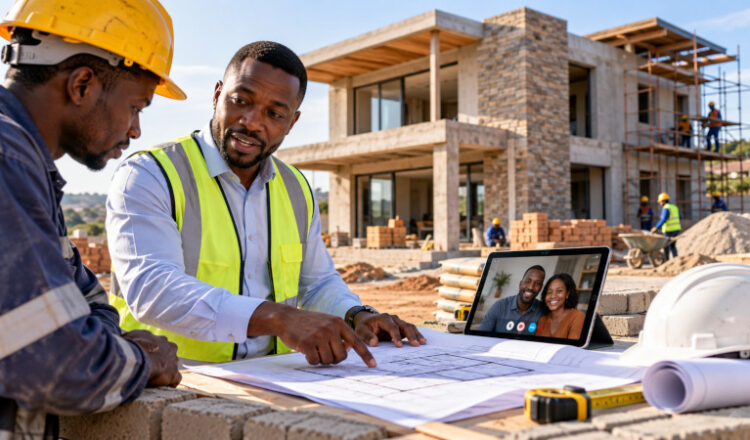
Why Every Building Project Needs a Project Manager
Building a home is one of the most significant investments most people will ever make. Whether you are constructing a family home in Harare, developing a rural residence, building rental units or undertaking a larger property development, the success of the project depends on much more than simply having a good builder.
A construction project involves architects, engineers, contractors, suppliers, local authorities, quantity surveyors, artisans and many other service providers. Without proper coordination, even a promising project can experience delays, cost overruns, poor workmanship and unnecessary disputes.
This is where a project manager becomes invaluable.
A professional project manager acts as the client’s representative throughout the construction process, coordinating the different parties involved and helping ensure that the project remains aligned with the agreed design, budget, quality standards and programme.
Turning Your Vision Into a Managed Project
Most homeowners begin with a simple vision:
“I want to build my dream home.”
But transforming that vision into a completed building requires careful planning. Before construction begins, important decisions must be made regarding design, budgeting, approvals, procurement, contractor selection, timelines and construction methodology. A project manager helps bring all these elements together into one coordinated process.
Instead of the client having to separately manage the architect, engineer, builder, plumber, electrician, suppliers and council requirements, the project manager provides a central point of coordination. This creates structure, accountability and continuity throughout the project.
1. Keeping the Project Within Budget
One of the greatest concerns for anyone building a home is cost. Without proper management, seemingly small changes, wastage, repeated work, poor procurement decisions and uncontrolled variations can gradually increase the overall cost of a project.
A project manager helps to monitor expenditure against the approved budget and ensures that major financial decisions are considered within the context of the entire project.
This may include coordinating with the quantity surveyor, reviewing quotations, monitoring contractor claims and helping the client understand the financial implications of proposed changes.
The objective is not simply to spend less. It is to ensure that the client receives value for every dollar invested in the project.
2. Coordinating Contractors and Professionals
Construction involves many different specialists. The architect may prepare the design. The structural engineer may prepare structural drawings. The quantity surveyor may develop the cost estimates. The contractor carries out the building works. Electricians, plumbers, carpenters, tilers, painters and other artisans must complete their work at different stages. Suppliers must deliver materials at the right time. If these parties are not properly coordinated, delays and conflicts can easily arise.
The project manager ensures that everyone understands what needs to be done, when it needs to be done and how each activity fits into the overall construction programme.
3. Protecting the Quality of Your Investment
A beautiful architectural drawing does not automatically result in a well-built home. The quality of the completed building depends heavily on how the construction process is managed. A project manager helps monitor progress on site and ensures that work is being carried out according to the approved drawings, specifications and agreed standards. Where problems are identified, they can be addressed before they become expensive defects.
Correcting a mistake while construction is still taking place is often easier and less costly than discovering the problem after the house has been completed.
4. Managing the Construction Programme
Construction projects consist of many activities that depend on one another. Foundations must be completed before walls can rise. Electrical and plumbing installations must be coordinated before certain finishes are completed. Windows, roofing materials, tiles and fittings must arrive at the appropriate stages. If one activity falls behind, several other activities may be affected.
A project manager develops and monitors the construction programme, identifies potential delays and works with the project team to keep the development moving forward. This gives the client a clearer understanding of the progress being made and the stages that still remain.
5. Reducing the Stress of Building
Anyone who has managed a construction project personally knows how demanding it can become. There are constant phone calls. Suppliers require decisions. Contractors request materials. Unexpected site conditions arise. Design questions need answers. Payments need approval. Inspections may need to be arranged.
For someone who has a full-time career or business to manage, overseeing all these activities can quickly become overwhelming. Having a project manager provides the client with a trusted professional who can coordinate the day-to-day requirements of the project while keeping the client informed about the important decisions.
Building From the Diaspora: Why Project Management Becomes Even More Important
For Zimbabweans living abroad, building a home back in Zimbabwe can be particularly challenging. Many Zimbabweans in the United Kingdom, South Africa, Australia, Canada, the United States and other parts of the world continue to invest in residential property at home. For some, the objective is to build a retirement home. For others, it is a family residence, an investment property or simply an opportunity to establish something permanent in Zimbabwe.
However, managing construction from thousands of kilometres away presents unique challenges. A client in the diaspora may not be able to visit the construction site regularly. They may have difficulty independently confirming whether the work being reported has actually been completed.
They may have to rely heavily on photographs, telephone calls and updates from relatives, builders or suppliers. Differences in time zones can make communication even more difficult. This is precisely where professional project management can provide valuable peace of mind.
Your Eyes and Ears on the Ground
For a diaspora client, the project manager effectively becomes the client’s professional representative on the ground. The project manager can monitor progress, coordinate contractors, attend site meetings, review completed work and provide structured progress updates.
Instead of relying only on informal updates, the client can receive clear information about what has been completed, what is currently being undertaken, what decisions are required and what the next stages of construction will involve.
Where appropriate, progress reports can include photographs, video clips, cost updates, programme information and details of upcoming activities. This provides a much clearer picture of the project, even when the client is thousands of kilometres away.
Reducing the Risk of Paying for Work That Has Not Been Completed
One of the concerns sometimes faced by clients managing projects remotely is determining whether payments being requested accurately reflect the progress on site. Proper project management helps create a more structured payment process. Work can be monitored before major payments are approved, and expenditure can be compared with the agreed project budget and construction programme.
This additional level of oversight helps provide greater transparency throughout the project.
Managing Material Procurement More Effectively
Construction projects involve significant expenditure on cement, bricks, steel, roofing materials, tiles, electrical fittings, plumbing materials and finishes. Without proper controls, procurement can become one of the biggest sources of waste and unnecessary expenditure.
A project manager can help coordinate the procurement process, compare quotations where appropriate, monitor deliveries and ensure that materials are available when required.
This can also reduce situations where materials are purchased too early, stored for long periods or ordered in quantities that do not correspond with the actual construction requirements.
Providing a Single Point of Accountability
One of the frustrations experienced by some property owners is having to communicate with many different people. The builder may blame the supplier. The supplier may blame the architect. The electrician may say the builder was not ready. The contractor may say the client delayed a decision.
With professional project management, the client has a central point of coordination. The project manager follows up the various parties, identifies issues and helps ensure that responsibilities are clearly understood.
The Cost of Project Management Versus the Cost of Poor Management
Some homeowners initially see project management as an additional construction expense. However, the more important question is:
What could poor project management cost you?
Consider the potential impact of:
- construction delays;
- materials being wasted;
- defective workmanship;
- incorrect quantities being purchased;
- contractors having to redo work;
- poor coordination between trades;
- unnecessary variations;
- payments being made without adequate verification; and
- important technical issues being discovered too late.
Against these risks, professional project management should be viewed as part of protecting the overall investment.
A Better Building Experience
Building a home should be an exciting journey. It should not become an endless cycle of disagreements, unexplained expenses and unfinished work. With proper planning, coordination and professional oversight, the construction process can become far more structured and predictable.
The homeowner remains the ultimate decision-maker, but those decisions are supported by better information and professional coordination.
Let Novus Habitat Africa Manage Your Project
At Novus Habitat Africa, we believe that successful construction begins with proper planning and continues through disciplined project management until the keys are finally handed over.
Whether you are based in Zimbabwe or living abroad, our aim is to provide a professional bridge between your vision and the completed project.
We can work with your architect, engineers, quantity surveyors, contractors and suppliers to coordinate the construction process on your behalf.
For our diaspora clients, we understand how important transparency, communication and confidence are when investing in a project from thousands of kilometres away.
Our role is to become your trusted project management partner on the ground in Zimbabwe, helping you monitor progress, coordinate the project team, manage important milestones and keep you informed throughout the construction journey.
From the first drawings to the final finishes, Novus Habitat Africa can help you move from an idea to a properly managed building project.
Planning to build in Zimbabwe?
Whether you are at home or in the diaspora, engage Novus Habitat Africa as your trusted project manager and let us help you manage your building project from concept to completion. Call/App +263 712 042 248 and share with us your vision and we will help you to execute it.
Novus Habitat Africa — Building with Confidence. Managing with Purpose.
Leave a Comment